High-volume low-speed (HVLS) fans are engineered to provide effective air circulation in large enclosures such as warehouses and manufacturing facilities. Their design typically features broad blades that rotate slowly, enabling them to move a considerable volume of air with minimal energy expenditure. This functionality not only enhances comfort for workers but also plays a crucial role in maintaining ambient temperature levels across expansive areas.
One of the primary benefits of HVLS fans is their ability to promote even air distribution. Unlike traditional fans, which can create zones of stagnant air, HVLS fans deliver a consistent airflow, facilitating better thermal regulation. As air circulates, it mitigates the buildup of hot or cold spots, leading to improved employee comfort, which is directly linked to heightened productivity levels.
Temperature and airflow regulation are indispensable for promoting operational efficiency within production environments. The implementation of HVLS fans can significantly lower energy costs by reducing the demand for heating and cooling systems. This not only leads to substantial cost savings but also contributes to a more sustainable operational model. When the air is distributed evenly, companies can avoid unnecessary wear and tear on HVAC systems, ensuring their longevity.
Furthermore, maintaining an optimal working environment minimizes the risk of heat stress on employees during warmer months, enhancing safety and morale. As a result, investing in HVLS fans can yield quantifiable improvements in production efficiency, as a comfortable workforce tends to perform better and remain more focused. Consequently, HVLS fans stand out as an essential solution for balancing environmental factors while maximizing output in commercial and industrial sectors.
Assessing Current Production Areas and Airflow Needs
Analyzing production areas is a crucial step in optimizing efficiency. The first step in this analysis involves assessing the existing airflow patterns within the facility. Understanding how air moves throughout the space can reveal significant insights into areas that may suffer from inadequate ventilation. For instance, high ceilings or extensive floor plans can lead to stagnant air pockets, resulting in discomfort and decreased productivity.
Identifying hotspots and cold spots is vital in this evaluation process. Hotspots, where heat accumulates due to machinery or other factors, can create unpleasant working conditions for employees, often leading to lower productivity. Conversely, cold spots may signify underutilized areas where airflow is obstructed or insufficient. Recognizing these temperature inconsistencies is essential for ensuring a comfortable working environment and maximizing operational efficiency.
To effectively address varying airflow needs in different sections of the production facility, it is important to engage with the specific requirements of each zone. Areas with heavy machinery might require more significant air movement to dissipate heat, while storage areas may need less airflow to maintain product integrity. Understanding these unique needs enables tailored solutions, ensuring that air circulation meets the demands of each section efficiently.
Data collection plays a key role in monitoring airflow patterns. Employing tools such as anemometers to measure air velocity and temperature sensors can provide accurate insights into ventilation effectiveness. Additionally, consistent monitoring helps in identifying trends and patterns over time, allowing for continuous improvements to the environment. Conducting thorough assessments will ensure that any intervention, such as the installation of Large Volume Low Speed (HVLS) fans, is informed and targeted.
Implementing HVLS Fans for Optimal Performance
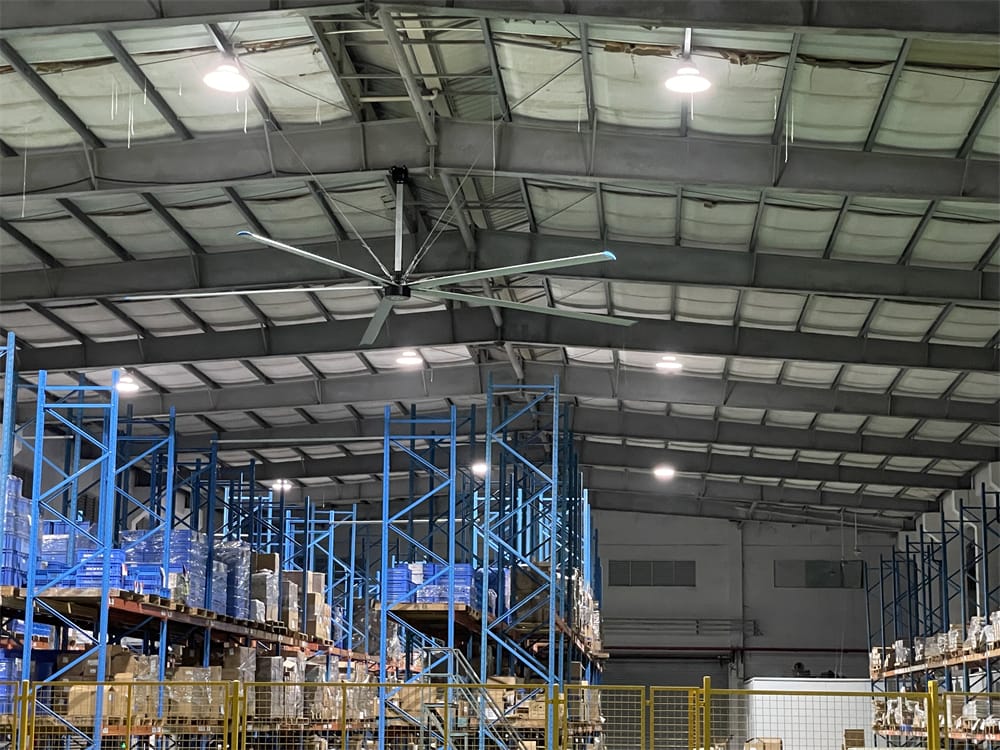
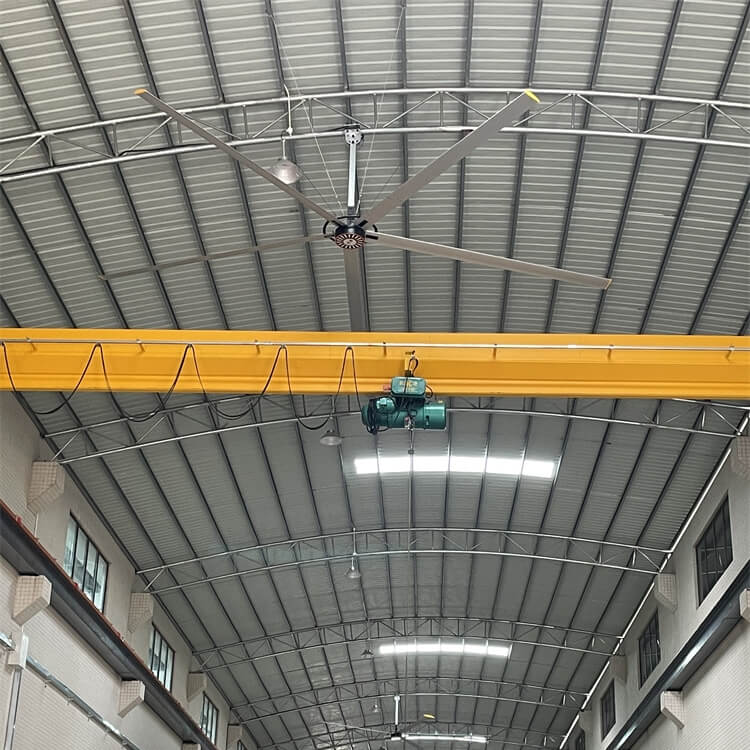
To achieve maximum airflow and energy efficiency with High-Volume, Low-Speed (HVLS) fans, careful consideration must be given to their installation and positioning. The strategic placement of HVLS fans is crucial, as their effectiveness can be significantly influenced by the environment in which they are installed. Typically, these fans should be positioned centrally in large spaces to promote effective air circulation. For instance, in warehouses, placing fans along the central axis allows for the redistribution of air throughout the entire area, creating a steady downdraft that enhances thermal comfort.
Coordination with existing HVAC systems is another essential aspect of effective HVLS fan usage. When these fans operate in conjunction with heating, ventilation, and air conditioning (HVAC) systems, they can contribute to a more uniform temperature across the space. This coordination not only improves comfort levels but also can lead to reduced energy costs. By running HVLS fans in the warmer months, facilities can create a cooling breeze while potentially allowing the thermostat to be set a few degrees higher without sacrificing comfort.
Height and orientation are also critical factors in optimizing the performance of HVLS fans. Fans should typically be installed at a height of at least 10 to 12 feet above the ground to maximize air movement and minimize potential obstructions. Additionally, the orientation of the blades should be set to ensure that air is directed downward efficiently. Some case studies have demonstrated that positioning the fans to operate in reverse during the colder months can help circulate warm air, thus reducing heating costs. In reviewing these case studies, many facilities have noted significant improvements in energy savings and employee comfort when HVLS fans were installed and positioned correctly.
Monitoring and Maintaining HVLS Fans for Longevity
High-Volume Low-Speed (HVLS) fans are integral to enhancing air circulation and improving comfort in large spaces, thereby optimizing production efficiency. However, the longevity and performance of these fans rely heavily on proper maintenance and monitoring. Regular maintenance practices not only extend the lifespan of HVLS fans but also ensure that they remain efficiently operational.
Routine checks should be scheduled to inspect the essential components of HVLS fans. This includes checking for loose screws, worn belts, and any signs of wear or damage. Additionally, it is advisable to clean the fan blades regularly to prevent dust accumulation, as dirt can significantly affect the fan’s aerodynamic efficiency. A clean fan is more likely to operate quietly and effectively, contributing to better air movement and energy savings.
Troubleshooting common issues can prevent more significant problems from arising. For instance, if a fan produces unusual noises or fails to start, these symptoms may indicate mechanical issues that need immediate attention. Identifying such problems early can help in avoiding costly repairs and downtime in production. Training staff on how to recognize these warning signs and perform basic troubleshooting can be beneficial for ongoing operations.
Establishing a recommended maintenance schedule is crucial. Depending on the environment and usage frequency, this schedule may vary. However, a bi-annual checkup is a common practice for many facilities. During these checkups, comprehensive inspections can be conducted to ensure that the fans are fulfilling their operational requirements efficiently. It is also advantageous to keep a log of maintenance activities, which can help in analyzing the performance trends over time.
Finally, ongoing performance monitoring is vital to sustain improvements in production efficiency. Utilizing modern monitoring tools can help in tracking the operational metrics of HVLS fans, thus identifying any drops in performance early. Ensuring that HVLS fans are continually operating at peak efficiency not only helps in reducing costs but also supports a healthier work environment.
Industrial HVLS FANS play a vital role in manufacturing, ensuring optimal airflow and a comfortable environment.
These HVLS FANS are not just about cooling. They help in reducing energy costs and improving air quality.
In manufacturing, maintaining the right temperature is crucial, and HVLS FANS help achieve this efficiently.
They come in various styles and sizes, catering to different industrial needs. From factories to workshops, their versatility is unmatched.
Understanding the benefits of industrial fans can transform your manufacturing facility. Let’s explore how these fans can enhance productivity and efficiency.
Importance of Airflow in Manufacturing
Airflow is vital for maintaining a healthy work environment in manufacturing settings. Proper ventilation prevents the accumulation of heat, dust, and fumes.
Without good airflow, workers may experience discomfort and health issues. This can lead to decreased productivity and increased sick days.
Industrial fans are essential for ensuring proper airflow. They help disperse fumes and cool down machinery, extending its lifespan.
By employing industrial fans, manufacturers can enjoy multiple benefits, such as:
Improved air quality by removing pollutants.
Enhanced comfort for workers, increasing productivity.
Longer lifespan for equipment due to reduced overheating.
Industrial fans support compliance with safety regulations and help in the prevention of accidents. They ensure the continuous flow of fresh air, which is crucial for worker well-being.
Incorporating fans in manufacturing spaces can also lower the risk of airborne contamination. This is particularly important in industries handling chemicals or hazardous materials.
Optimal airflow creates an ideal working condition, boosting morale and efficiency. Industrial fans are a straightforward solution to a complex challenge in manufacturing environments.
Types of Industrial Fans
Industrial fans come in various types to suit different environments and needs. Choosing the right fan depends on the specific requirements of the space.
Here are some common types of industrial fans:
Ceiling Fans: Ideal for high-ceiling areas like factories.
Mounted Fans: Great for targeted airflow in specific zones.
Portable Fans: Versatile for temporary setups and ease of relocation.
By selecting the appropriate type, facilities can maximise airflow efficiency and enhance overall comfort.
Industrial Ceiling Fans
Industrial ceiling fans are designed for large spaces with high ceilings. They are perfect for factories and manufacturing facilities.
These fans are built to move large volumes of air efficiently. They help maintain consistent temperatures, reducing the strain on HVAC systems.
Notable features of industrial ceiling fans include:
Heavy-duty motors to withstand continuous use.
Variable speed settings for energy efficiency.
Options with integrated lighting for dual functionality.
These fans improve air circulation, making them an asset in environments where air quality is crucial.
Industrial Ceiling Fans for Warehouses
Warehouses often face challenges with maintaining temperature consistency. Industrial ceiling fans are a practical solution to this problem.
They help in distributing air evenly, preventing hot and cold spots. This ensures a pleasant environment for workers and preserves stored goods.
These fans are built to endure harsh conditions and provide reliable performance. Their robust design ensures a steady airflow throughout the warehouse, reducing energy costs.
Industrial Ceiling Fans for Garage
Garages can become unbearably hot during summer months. Industrial ceiling fans offer a cost-effective solution to this issue.
They are designed to ventilate enclosed spaces effectively, providing much-needed air circulation. This improves both comfort and air quality.
These fans are also equipped to handle the demands of a garage setting. They provide relief from stagnant air, creating a more pleasant working environment.
Big Commercial Fans
Big commercial fans are ideal for large industrial spaces. They are engineered to move vast amounts of air efficiently and effectively.
These fans provide ventilation in areas where traditional HVAC systems might struggle. They are perfect for cooling and ventilating during construction and maintenance.
Big commercial fans are also essential in maintaining safe air quality. They help disperse dust and fumes efficiently, ensuring a safer work environment.
Workshop Ceiling Fans
Workshops benefit from the airflow provided by industrial ceiling fans. These fans help keep dust and airborne particles in check.
They provide a steady stream of air to maintain comfortable working conditions. This can enhance productivity and ensure worker comfort.
Workshop fans are often equipped with heavy-duty motors. Their design ensures longevity and efficient operation even in demanding environments.
Energy Efficiency
Industrial fans contribute significantly to energy savings in manufacturing settings. By optimising airflow, they enhance the efficiency of existing HVAC systems.
These fans are a smart choice for reducing operational costs. They ensure even air distribution, which reduces the need for additional heating or cooling.
Key energy-efficient features of industrial fans include:
Variable Speed Controls: Adjust to demand for optimal performance.
Aerodynamic Blades: Reduce resistance and increase airflow efficiency.
Advanced Motor Technology: Ensures minimal energy usage while maximising output.
Using energy-efficient fans can substantially lower a facility’s overall energy consumption, leading to cost savings.
Affordable Industrial Ceiling Fans
Affordable industrial ceiling fans offer a budget-friendly alternative without compromising on performance. These fans are designed for efficiency and durability.
They are an excellent investment for businesses aiming to cut costs while maintaining air quality. Even at a lower price point, these fans ensure adequate airflow.
Despite their affordability, they incorporate features like robust build materials and reliable motors. This makes them a popular choice for smaller industrial facilities looking to optimise their environment.
Heavy Duty Ceiling Fans
Heavy duty ceiling fans are engineered for tough environments. They can withstand continuous use and harsh industrial conditions.
Built with durability in mind, these fans feature reinforced components. This ensures long-lasting performance, making them suitable for demanding settings.
Their powerful motors and large blades provide maximum air circulation. This helps to maintain consistent temperatures and reduce equipment overheating. These fans are a staple in facilities where a robust solution is required for extreme conditions.
Enhancing Worker Comfort
Comfort in the workplace is key for maintaining high productivity levels. Industrial fans help ensure a comfortable environment by regulating temperature and improving air quality.
These fans create a stable indoor climate, reducing heat stress for workers. Their consistent airflow prevents stagnant air, promoting a healthier atmosphere.
Some benefits of using industrial fans for worker comfort include:
Improved Air Quality: Helps in filtering and circulating fresh air.
Noise Reduction: Operate quietly to maintain a peaceful environment.
With enhanced comfort, employees are more focused and effective in their tasks.
Commercial Ceiling Fans for Restaurants
In restaurants, creating a comfortable dining experience is crucial. Commercial ceiling fans are vital in achieving this by ensuring optimal airflow and temperature control.
These fans are quiet yet powerful, providing gentle ventilation throughout the dining area. This helps diners remain comfortable, particularly during peak hours.
Additionally, commercial ceiling fans contribute to a pleasant ambience. They operate unobtrusively, allowing customers to enjoy their meals undisturbed by excessive noise or draughts.
Industrial Style Ceiling Fans for Home
Industrial-style ceiling fans can transform a home environment with their robust design and functionality. They offer aesthetic appeal while delivering efficient air circulation.
This design trend complements contemporary home interiors, adding character to spaces. Despite their rugged look, these fans are versatile and practical for residential use.
Their adjustable speeds and quiet operation make them perfect for various home settings. Homeowners can enjoy both style and comfort, enhancing their living spaces with a modern industrial touch.
Impact on Productivity
Industrial fans play a significant role in boosting productivity in manufacturing environments. By maintaining consistent airflow, these fans help regulate temperature and eliminate pockets of stagnant air.
A well-ventilated workspace ensures workers stay focused and energised throughout their shifts. It also reduces fatigue related to excessive heat or poor air quality.
Stable Temperature: Reduces distractions caused by temperature fluctuations.
Improved Concentration: Clear air ensures better oxygen flow.
Reduced Sick Days: Cleaner air minimises health issues linked to poor ventilation.
The overall impact of industrial fans on workplace productivity is substantial, emphasising their vital role in manufacturing sectors.
Case Study: Manufacturing Facility Ceiling Fans
One manufacturing facility reported a notable improvement in worker efficiency after installing ceiling fans. The facility had struggled with high temperatures during summer months, leading to frequent worker complaints.
Post-installation, managers observed a significant drop in heat-related issues. The fans provided consistent airflow, which improved indoor climate control and worker comfort.
Employees reported feeling more alert and less fatigued. This led to increased productivity levels, illustrating the importance of effective air circulation solutions in hot, enclosed environments.
Best Commercial Ceiling Fans for Optimal Airflow
Selecting the best commercial ceiling fans involves considering several key factors. Proper fan choice ensures that the manufacturing facility stays cool and efficient.
Firstly, size matters; larger spaces require bigger fans to distribute airflow evenly. Secondly, motor performance is crucial for durability and effective ventilation.
Key considerations in choosing fans include:
Blade Size: Larger blades cover more space.
Motor Power: Ensures long-lasting and effective operation.
Energy Efficiency: Reduces overall operational costs.
By focusing on these aspects, businesses can enhance air circulation, making their facilities more productive and cost-effective.
In large industrial facilities, airflow is often a hidden challenge — especially in ultra-high spaces where traditional solutions struggle to deliver real results.
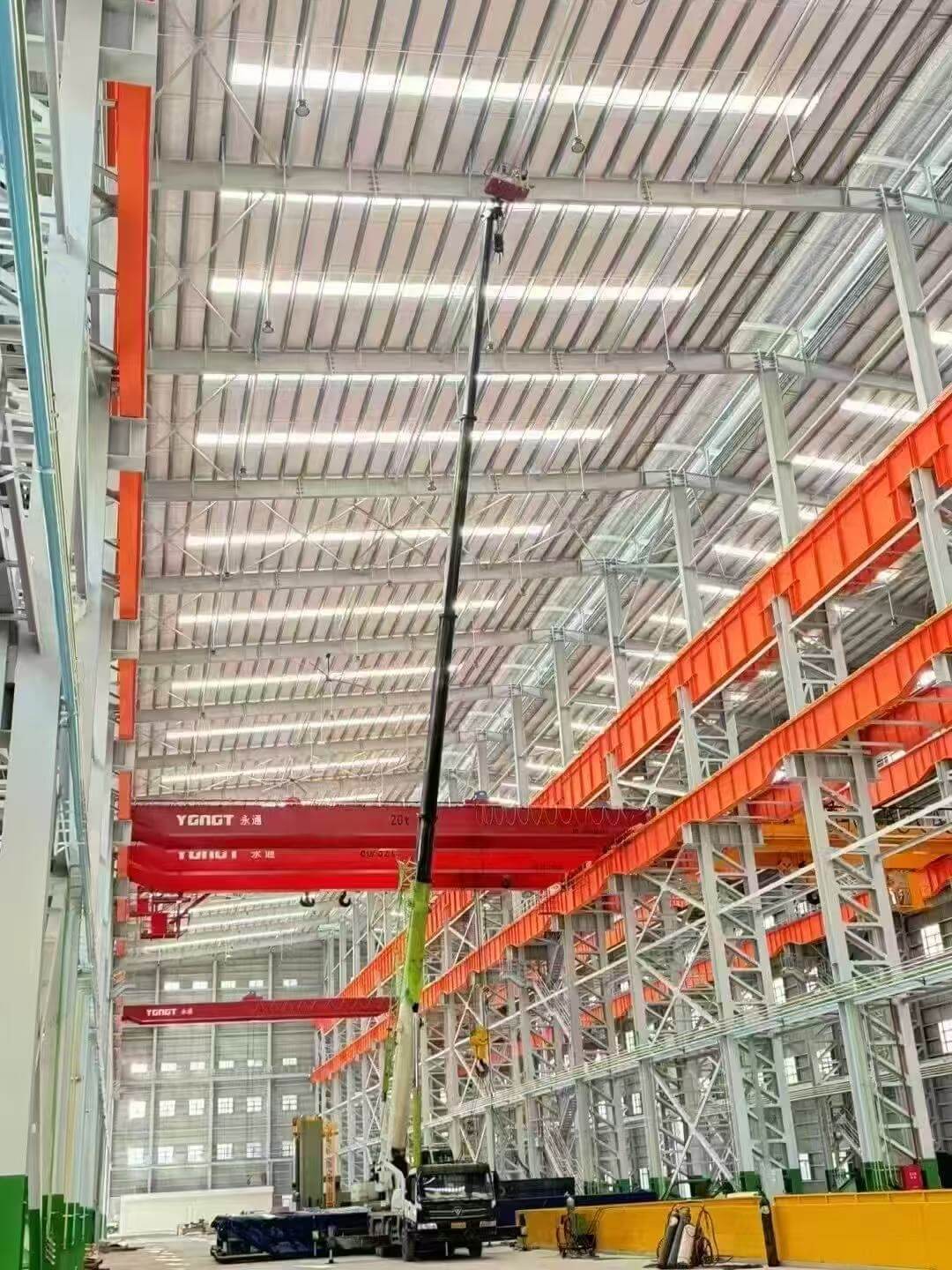
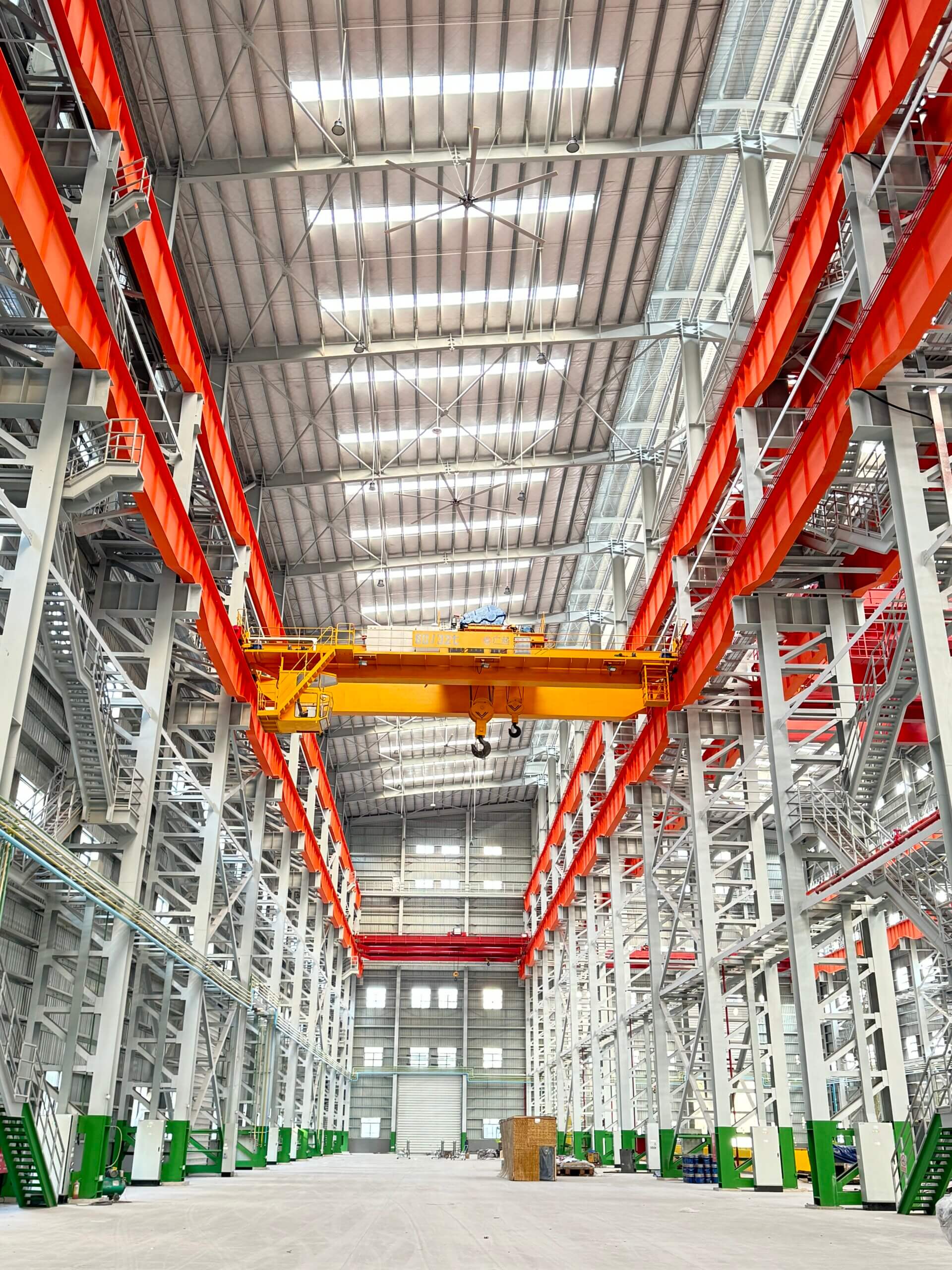
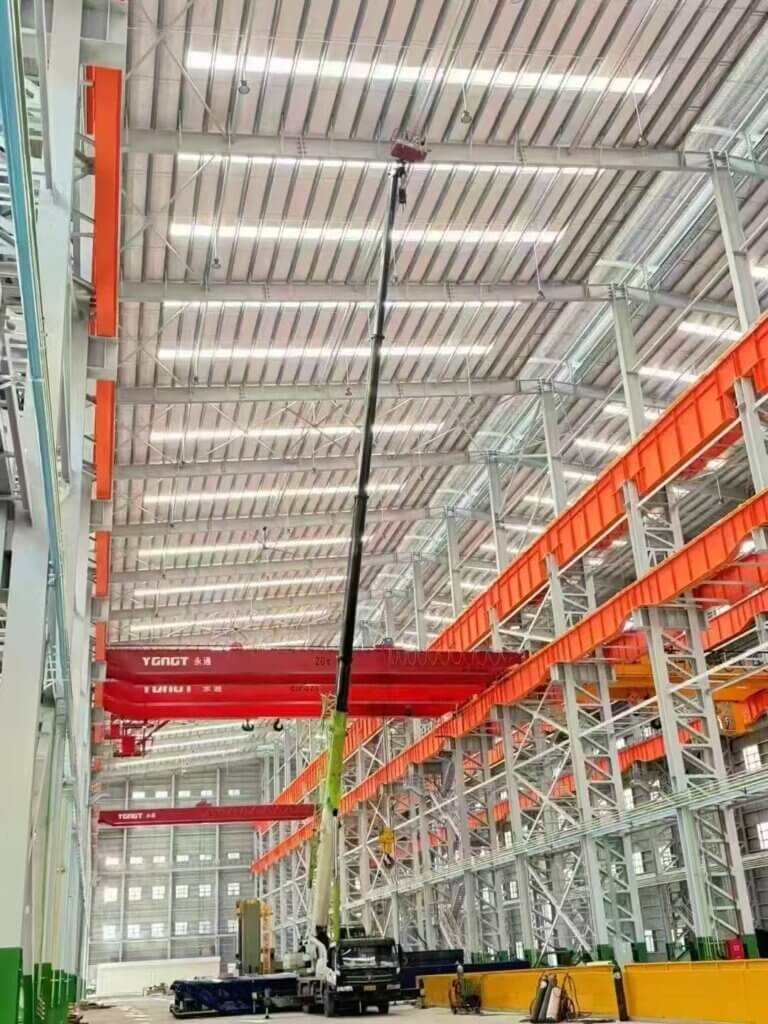
This case study demonstrates how effective airflow was achieved in a 40m-high industrial facility, where most solutions failed under real testing conditions.
The Challenge of Airflow in a 40m-High Industrial Facility
This project came from Guangduan, a manufacturer in the defense industry with extremely strict requirements for quality, safety, and performance.
The facility presented an unusual challenge:
A ceiling height of 40 meters
Large working area
High expectations for reliability
At this height, a critical question emerged:
Can airflow from ceiling-installed fans actually reach the ground?
Even for us, this was an unknown. We had never applied HVLS fans in such an extreme environment before.
On-Site Testing with Multiple Suppliers
Rather than relying on theoretical calculations, the client required real on-site testing.
Multiple suppliers were invited to participate. Each installed their own fan systems under identical conditions.
This created a direct comparison in a real production environment — not a simulation, not a proposal, but actual performance testing inside a 40m-high facility.
Why Most Solutions Failed
During the test, a clear pattern emerged.
Most solutions were unable to deliver meaningful airflow at ground level.
Common issues included:
Airflow dissipating before reaching workers
Limited coverage area
Weak or unnoticeable air movement
In ultra-high spaces, standard assumptions about airflow simply do not hold.
How HVLS Fans Delivered Real Airflow
Under the same conditions, our HVLS fan solution performed differently.
It achieved:
Consistent airflow reaching the ground level
Noticeable air movement felt by workers
Wide and stable coverage across the workspace
This was not based on theory — it was observed and verified on-site.
The result demonstrated that in extreme environments, airflow depends not only on equipment, but on design, placement, and real-world performance.
Key Takeaways for High-Ceiling Factories
This project highlights several important insights:
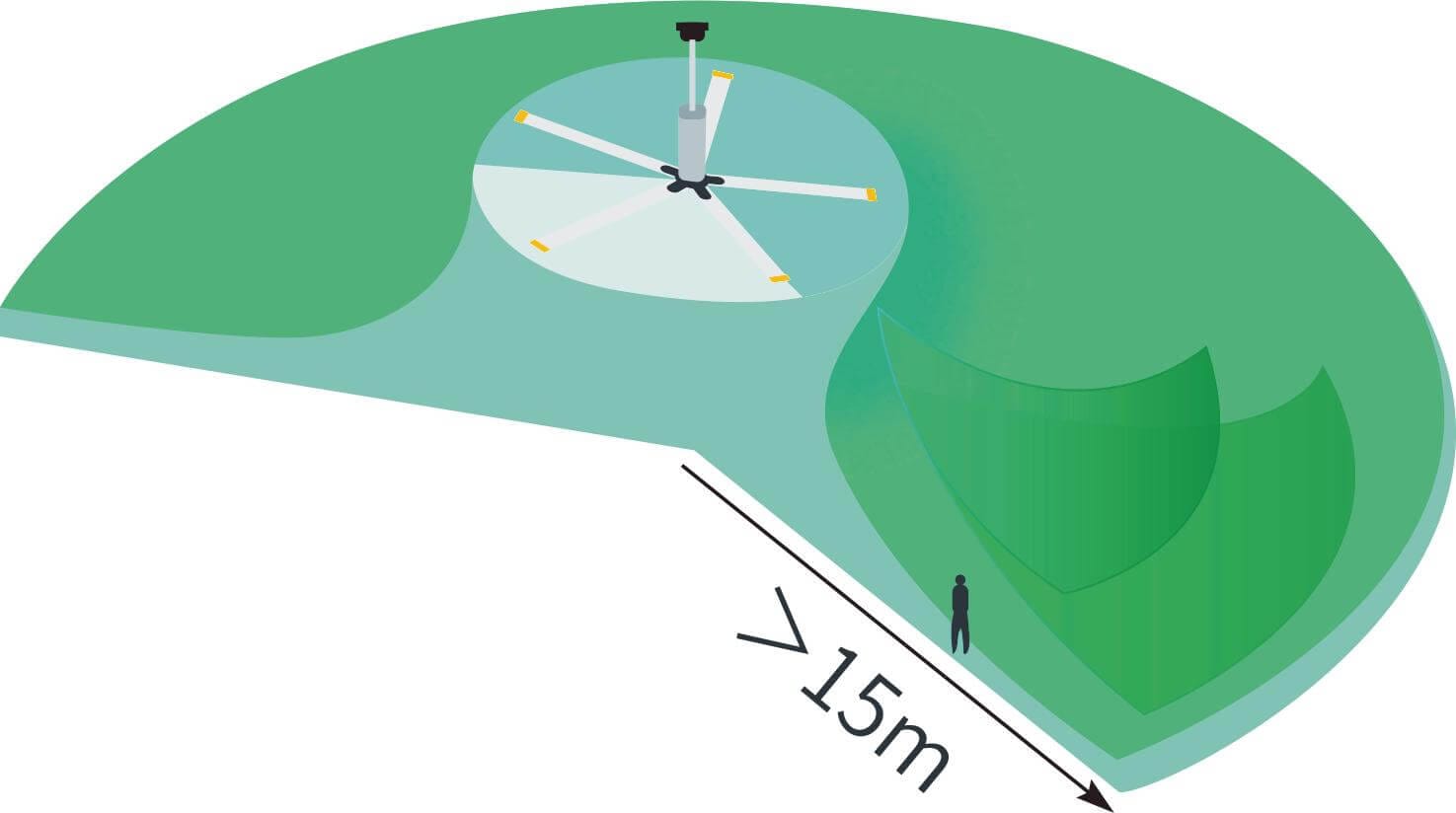
Airflow challenges increase significantly in spaces above 10–15 meters
Not all solutions perform effectively in ultra-high environments
Real testing is critical for decision-making
Proper airflow design can overcome structural limitations
Most importantly:
The question is not whether airflow solutions exist — but which solution actually works in real conditions.
Conclusion
This case proves that even in a 40m-high industrial facility, effective airflow can be achieved with the right approach.
It also shows the importance of real-world validation when dealing with complex industrial environments.
Call to Action
If you are managing a high-ceiling factory or warehouse and facing airflow challenges, I’d be happy to share practical insights or layout suggestions based on real projects.
— Move-point | HVLS Fan Solutions for Industrial Facilities
High Volume Low Speed (HVLS) fans are a leap forward in commercial ventilation. Unlike traditional fans that spin fast for localized cooling, HVLS fans move air slowly but in large volumes. This design ensures better airflow and even temperatures in big spaces like warehouses.
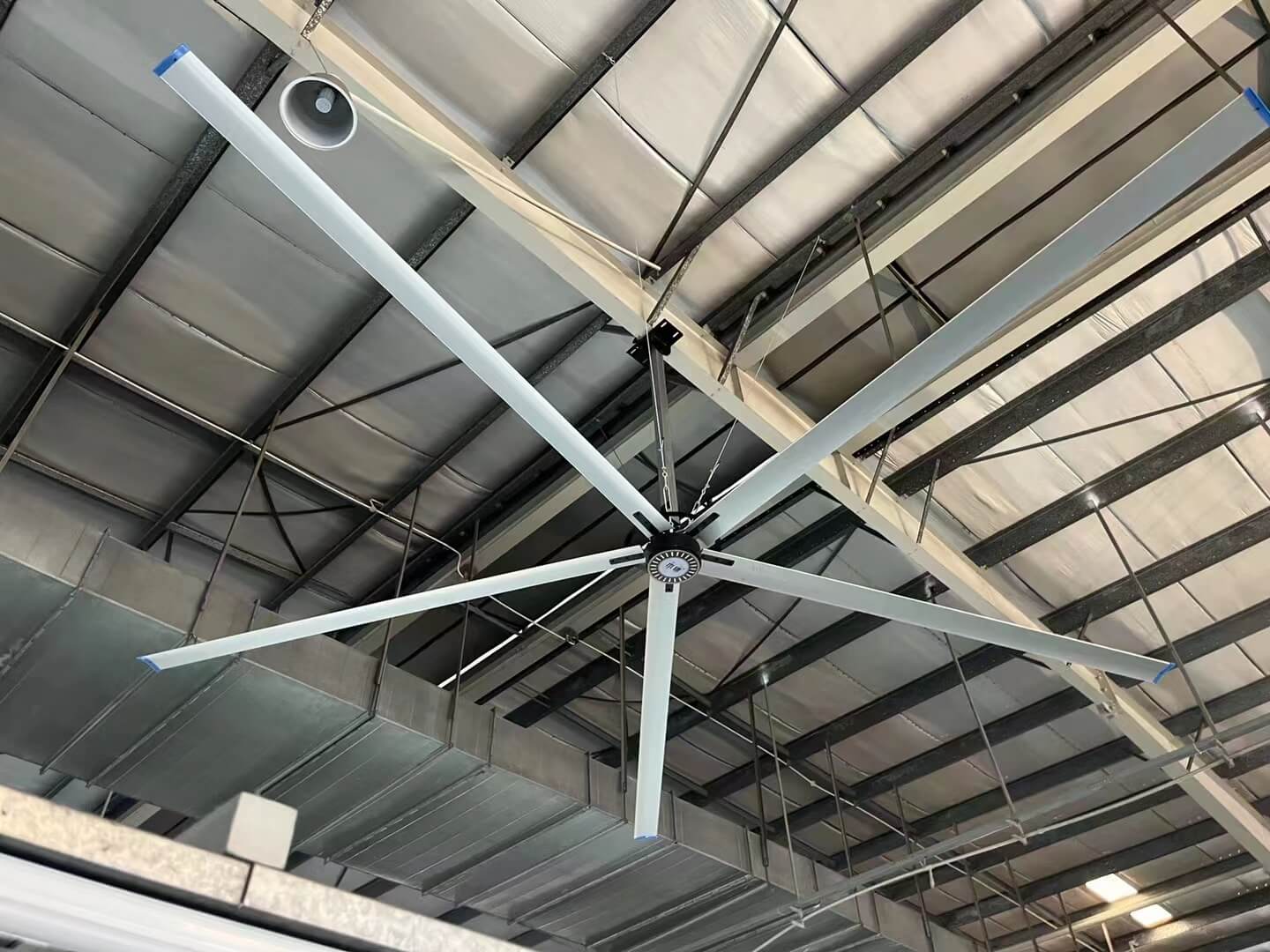
High-Volume Low-Speed (HVLS) fans are key in commercial ventilation. These fans suit large areas like factories, warehouses, and stores. Unlike high-speed fans, HVLS fans move air slowly but in large volumes. They have big blades and energy-efficient motors, ensuring optimal airflow and low energy use.
HVLS fans save energy by creating a breeze that cools spaces. This allows businesses to set air conditioning higher, saving on costs. Cooler environments also boost employee productivity. Thus, HVLS fans are vital for commercial spaces.
Moreover, HVLS fans improve air quality. They reduce hot spots and humidity. This is crucial for spaces with various products. Consistent air movement also protects machinery and products.
The low cost of running HVLS fans makes them popular. They are cheaper than traditional HVAC systems. This shift towards HVLS technology meets the ventilation needs efficiently.
Advantages of China HVLS Industrial Ceiling Fans
China’s HVLS industrial ceiling fans are perfect for commercial spaces. They are cheaper due to lower production costs in China. This is thanks to affordable labor and efficient supply chains. Businesses can thus save money and invest elsewhere.
These fans are also innovative. Chinese manufacturers lead in technology, offering smart controls and energy-efficient motors. This ensures optimal performance and reduces energy use.
Scalability is another benefit. Chinese manufacturers can meet large orders easily. This ensures uniform ventilation across multiple locations.
In summary, China’s HVLS fans offer a mix of low price, advanced technology, and scalability. This balance helps businesses achieve better airflow and operational efficiency.
Finding Discounts on Commercial HVLS Ceiling Fans
When buying commercial HVLS ceiling fans, exploring discounts is wise. This reduces costs significantly. Here are some strategies.
First, contact manufacturers and distributors directly. This often uncovers exclusive deals not widely advertised. Loyalty programs may also be available, offering discounts to repeat buyers.
Next, check online platforms for industrial equipment. These sites compare suppliers, often highlighting sales and promotions. Regular monitoring can lead to better deals.
Seasonal sales are another opportunity. These often occur during holidays or fiscal year-end. Buying in bulk can also yield discounts, reducing overall costs.
Lastly, consider financing options. Some manufacturers offer payment plans or leasing. This makes it easier to manage costs while enjoying the benefits of HVLS fans.
Case Studies: Success with Big HVLS Fans
Many businesses have successfully adopted big HVLS fans. Here are a few examples.
In a large manufacturing plant, inconsistent cooling was a problem. After installing HVLS fans, air circulation improved. This boosted productivity by 15%.
A distribution center faced similar issues. Before HVLS fans, it struggled with heat and stagnant air. Post-installation, cooling costs dropped by 30%. Employee comfort and retention improved.
In retail, a warehouse store also benefited. HVLS fans improved the shopping experience, increasing foot traffic and sales.
These examples show the versatility and benefits of HVLS fans across different sectors.
When comparing HVLS fans to traditional ceiling fans or air purifiers, many people wonder about their efficiency and effectiveness. High-Volume Low-Speed (HVLS) fans are designed to distribute air evenly across large spaces, making them a favorable choice for warehouses, gymnasiums, and similar environments. They provide a cooling effect and help in air circulation without the constant direct airflow typical of smaller fans.
When it comes to cooling large spaces like warehouses, efficiency is key. Industrial ceiling fans, particularly high-volume low-speed (HVLS) fans, can provide remarkable benefits. These fans are designed to move vast amounts of air, creating a cooling effect that can significantly reduce indoor temperatures without the need for extensive air conditioning systems.
When it comes to improving air circulation in large spaces, industrial ceiling fans play a crucial role. These fans are specifically designed to move large amounts of air efficiently, making them ideal for warehouses, factories, and big commercial settings. One popular type of industrial ceiling fan is the high volume low speed (HVLS) fan, known for its ability to distribute air evenly across extensive areas.
What Are HVLS Fans?
High volume low speed HVLS fans are a remarkable innovation in the realm of industrial ceiling fans. Unlike traditional fans, which may move air quickly but only across limited zones, HVLS fans rotate at lower speeds while pushing larger volumes of air. This is achieved through their unique blade design, which maximizes airflow without creating excessive wind noise. Businesses find that installing these fans can significantly enhance overall comfort levels while lowering energy costs.
How Much Air Do These Fans Move?
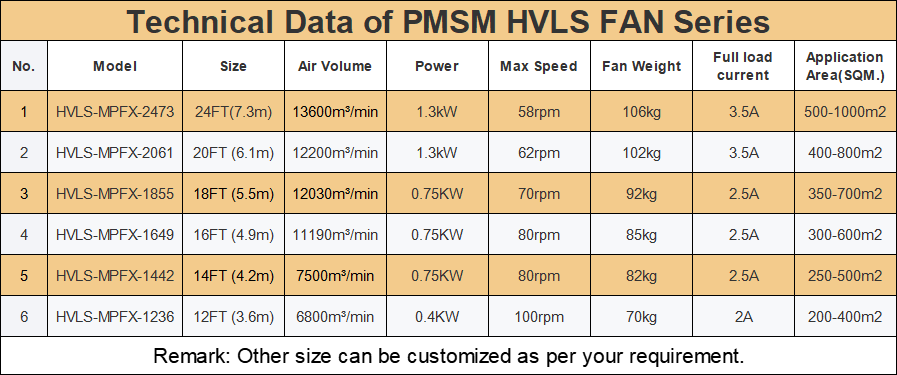
Determining how much air an industrial ceiling fan can move is essential for assessing its effectiveness. HVLS fans are designed to circulate large amounts of air throughout a space. Depending on the size and model, these fans can move anywhere from 20,000 to over 100,000 cubic feet of air per minute! This impressive capacity ensures that even in extensive industrial environments, employees can experience a consistent breeze, improving ventilation and air quality. Investing in such efficient solutions not only promotes comfort but also boosts productivity in the workplace.
High-Volume Low-Speed (HVLS) fans are increasingly recognized for their effectiveness, especially in large indoor spaces like warehouses, gyms, and factories. Unlike traditional ceiling fans, HVLS fans can move a significant volume of air at a low speed, creating a comfortable environment without the disruptive noise commonly associated with smaller fans. This makes them a popular choice for businesses looking to improve ventilation and save on energy costs.