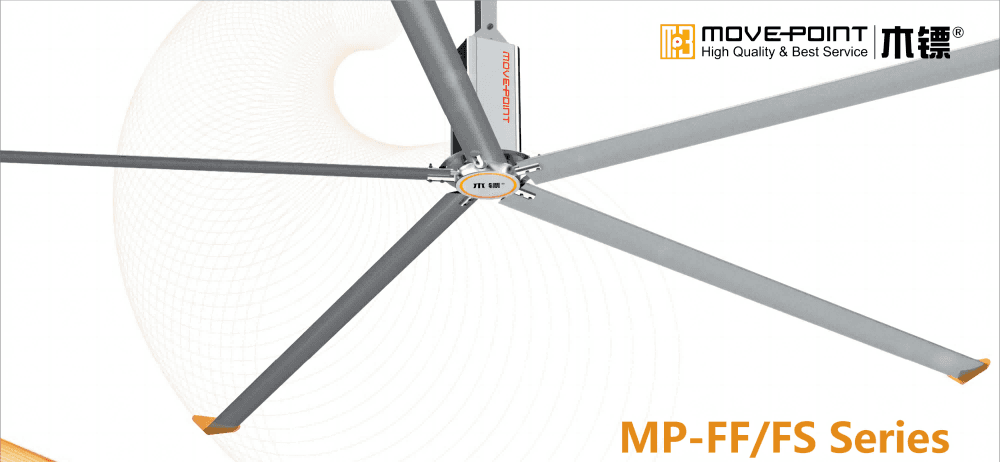
Industrial HVLS FANS play a vital role in manufacturing, ensuring optimal airflow and a comfortable environment.
These HVLS FANS are not just about cooling. They help in reducing energy costs and improving air quality.
In manufacturing, maintaining the right temperature is crucial, and HVLS FANS help achieve this efficiently.
They come in various styles and sizes, catering to different industrial needs. From factories to workshops, their versatility is unmatched.
Understanding the benefits of industrial fans can transform your manufacturing facility. Let’s explore how these fans can enhance productivity and efficiency.
Importance of Airflow in Manufacturing
Airflow is vital for maintaining a healthy work environment in manufacturing settings. Proper ventilation prevents the accumulation of heat, dust, and fumes.
Without good airflow, workers may experience discomfort and health issues. This can lead to decreased productivity and increased sick days.
Industrial fans are essential for ensuring proper airflow. They help disperse fumes and cool down machinery, extending its lifespan.
By employing industrial fans, manufacturers can enjoy multiple benefits, such as:
Improved air quality by removing pollutants.
Enhanced comfort for workers, increasing productivity.
Longer lifespan for equipment due to reduced overheating.
Industrial fans support compliance with safety regulations and help in the prevention of accidents. They ensure the continuous flow of fresh air, which is crucial for worker well-being.
Incorporating fans in manufacturing spaces can also lower the risk of airborne contamination. This is particularly important in industries handling chemicals or hazardous materials.
Optimal airflow creates an ideal working condition, boosting morale and efficiency. Industrial fans are a straightforward solution to a complex challenge in manufacturing environments.
Types of Industrial Fans
Industrial fans come in various types to suit different environments and needs. Choosing the right fan depends on the specific requirements of the space.
Here are some common types of industrial fans:
Ceiling Fans: Ideal for high-ceiling areas like factories.
Mounted Fans: Great for targeted airflow in specific zones.
Portable Fans: Versatile for temporary setups and ease of relocation.
By selecting the appropriate type, facilities can maximise airflow efficiency and enhance overall comfort.
Industrial Ceiling Fans
Industrial ceiling fans are designed for large spaces with high ceilings. They are perfect for factories and manufacturing facilities.
These fans are built to move large volumes of air efficiently. They help maintain consistent temperatures, reducing the strain on HVAC systems.
Notable features of industrial ceiling fans include:
Heavy-duty motors to withstand continuous use.
Variable speed settings for energy efficiency.
Options with integrated lighting for dual functionality.
These fans improve air circulation, making them an asset in environments where air quality is crucial.
Industrial Ceiling Fans for Warehouses
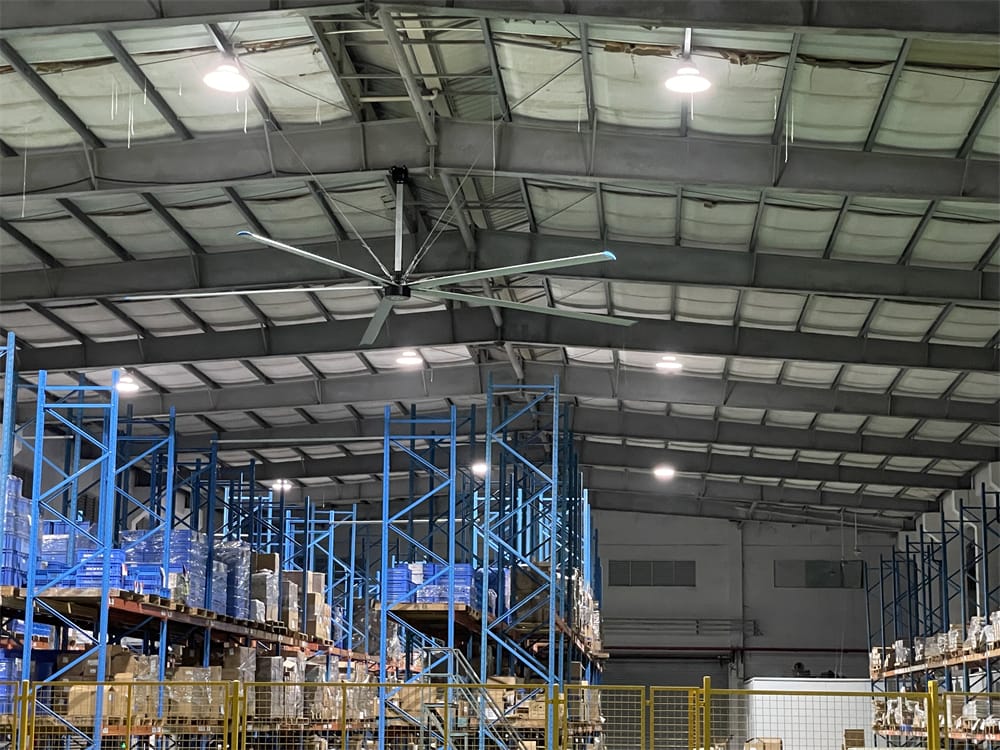
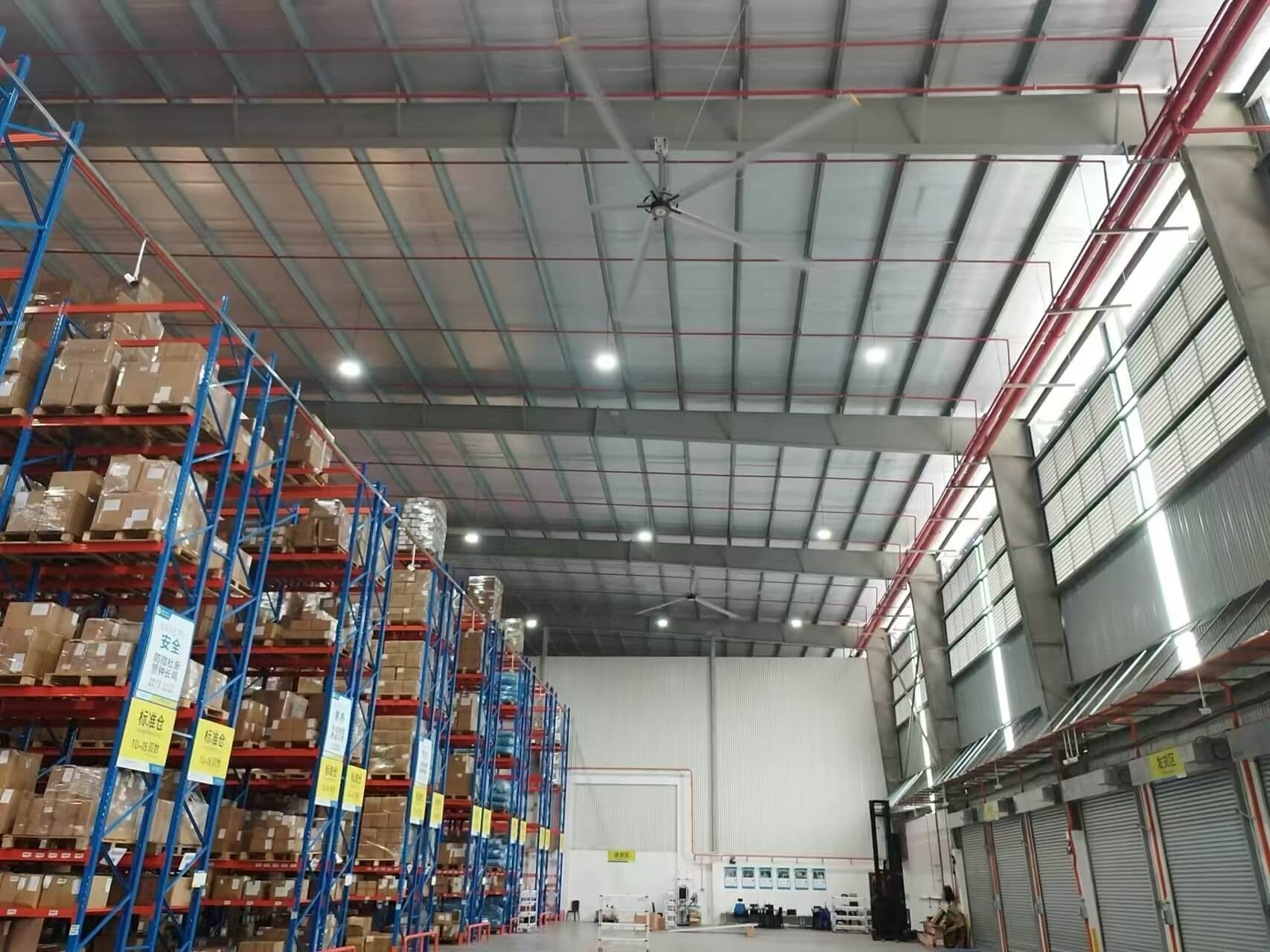
Warehouses often face challenges with maintaining temperature consistency. Industrial ceiling fans are a practical solution to this problem.
They help in distributing air evenly, preventing hot and cold spots. This ensures a pleasant environment for workers and preserves stored goods.
These fans are built to endure harsh conditions and provide reliable performance. Their robust design ensures a steady airflow throughout the warehouse, reducing energy costs.
Industrial Ceiling Fans for Garage
Garages can become unbearably hot during summer months. Industrial ceiling fans offer a cost-effective solution to this issue.
They are designed to ventilate enclosed spaces effectively, providing much-needed air circulation. This improves both comfort and air quality.
These fans are also equipped to handle the demands of a garage setting. They provide relief from stagnant air, creating a more pleasant working environment.
Big Commercial Fans
Big commercial fans are ideal for large industrial spaces. They are engineered to move vast amounts of air efficiently and effectively.
These fans provide ventilation in areas where traditional HVAC systems might struggle. They are perfect for cooling and ventilating during construction and maintenance.
Big commercial fans are also essential in maintaining safe air quality. They help disperse dust and fumes efficiently, ensuring a safer work environment.
Workshop Ceiling Fans
Workshops benefit from the airflow provided by industrial ceiling fans. These fans help keep dust and airborne particles in check.
They provide a steady stream of air to maintain comfortable working conditions. This can enhance productivity and ensure worker comfort.
Workshop fans are often equipped with heavy-duty motors. Their design ensures longevity and efficient operation even in demanding environments.
Energy Efficiency
Industrial fans contribute significantly to energy savings in manufacturing settings. By optimising airflow, they enhance the efficiency of existing HVAC systems.
These fans are a smart choice for reducing operational costs. They ensure even air distribution, which reduces the need for additional heating or cooling.
Key energy-efficient features of industrial fans include:
Variable Speed Controls: Adjust to demand for optimal performance.
Aerodynamic Blades: Reduce resistance and increase airflow efficiency.
Advanced Motor Technology: Ensures minimal energy usage while maximising output.
Using energy-efficient fans can substantially lower a facility’s overall energy consumption, leading to cost savings.
Affordable Industrial Ceiling Fans
Affordable industrial ceiling fans offer a budget-friendly alternative without compromising on performance. These fans are designed for efficiency and durability.
They are an excellent investment for businesses aiming to cut costs while maintaining air quality. Even at a lower price point, these fans ensure adequate airflow.
Despite their affordability, they incorporate features like robust build materials and reliable motors. This makes them a popular choice for smaller industrial facilities looking to optimise their environment.
Heavy Duty Ceiling Fans
Heavy duty ceiling fans are engineered for tough environments. They can withstand continuous use and harsh industrial conditions.
Built with durability in mind, these fans feature reinforced components. This ensures long-lasting performance, making them suitable for demanding settings.
Their powerful motors and large blades provide maximum air circulation. This helps to maintain consistent temperatures and reduce equipment overheating. These fans are a staple in facilities where a robust solution is required for extreme conditions.
Enhancing Worker Comfort
Comfort in the workplace is key for maintaining high productivity levels. Industrial fans help ensure a comfortable environment by regulating temperature and improving air quality.
These fans create a stable indoor climate, reducing heat stress for workers. Their consistent airflow prevents stagnant air, promoting a healthier atmosphere.
Some benefits of using industrial fans for worker comfort include:
Improved Air Quality: Helps in filtering and circulating fresh air.
Noise Reduction: Operate quietly to maintain a peaceful environment.
With enhanced comfort, employees are more focused and effective in their tasks.
Commercial Ceiling Fans for Restaurants
In restaurants, creating a comfortable dining experience is crucial. Commercial ceiling fans are vital in achieving this by ensuring optimal airflow and temperature control.
These fans are quiet yet powerful, providing gentle ventilation throughout the dining area. This helps diners remain comfortable, particularly during peak hours.
Additionally, commercial ceiling fans contribute to a pleasant ambience. They operate unobtrusively, allowing customers to enjoy their meals undisturbed by excessive noise or draughts.
Industrial Style Ceiling Fans for Home
Industrial-style ceiling fans can transform a home environment with their robust design and functionality. They offer aesthetic appeal while delivering efficient air circulation.
This design trend complements contemporary home interiors, adding character to spaces. Despite their rugged look, these fans are versatile and practical for residential use.
Their adjustable speeds and quiet operation make them perfect for various home settings. Homeowners can enjoy both style and comfort, enhancing their living spaces with a modern industrial touch.
Impact on Productivity
Industrial fans play a significant role in boosting productivity in manufacturing environments. By maintaining consistent airflow, these fans help regulate temperature and eliminate pockets of stagnant air.
A well-ventilated workspace ensures workers stay focused and energised throughout their shifts. It also reduces fatigue related to excessive heat or poor air quality.
Stable Temperature: Reduces distractions caused by temperature fluctuations.
Improved Concentration: Clear air ensures better oxygen flow.
Reduced Sick Days: Cleaner air minimises health issues linked to poor ventilation.
The overall impact of industrial fans on workplace productivity is substantial, emphasising their vital role in manufacturing sectors.
Case Study: Manufacturing Facility Ceiling Fans
One manufacturing facility reported a notable improvement in worker efficiency after installing ceiling fans. The facility had struggled with high temperatures during summer months, leading to frequent worker complaints.
Post-installation, managers observed a significant drop in heat-related issues. The fans provided consistent airflow, which improved indoor climate control and worker comfort.
Employees reported feeling more alert and less fatigued. This led to increased productivity levels, illustrating the importance of effective air circulation solutions in hot, enclosed environments.
Best Commercial Ceiling Fans for Optimal Airflow
Selecting the best commercial ceiling fans involves considering several key factors. Proper fan choice ensures that the manufacturing facility stays cool and efficient.
Firstly, size matters; larger spaces require bigger fans to distribute airflow evenly. Secondly, motor performance is crucial for durability and effective ventilation.
Key considerations in choosing fans include:
Blade Size: Larger blades cover more space.
Motor Power: Ensures long-lasting and effective operation.
Energy Efficiency: Reduces overall operational costs.
By focusing on these aspects, businesses can enhance air circulation, making their facilities more productive and cost-effective.
In large industrial facilities, airflow is often a hidden challenge — especially in ultra-high spaces where traditional solutions struggle to deliver real results.
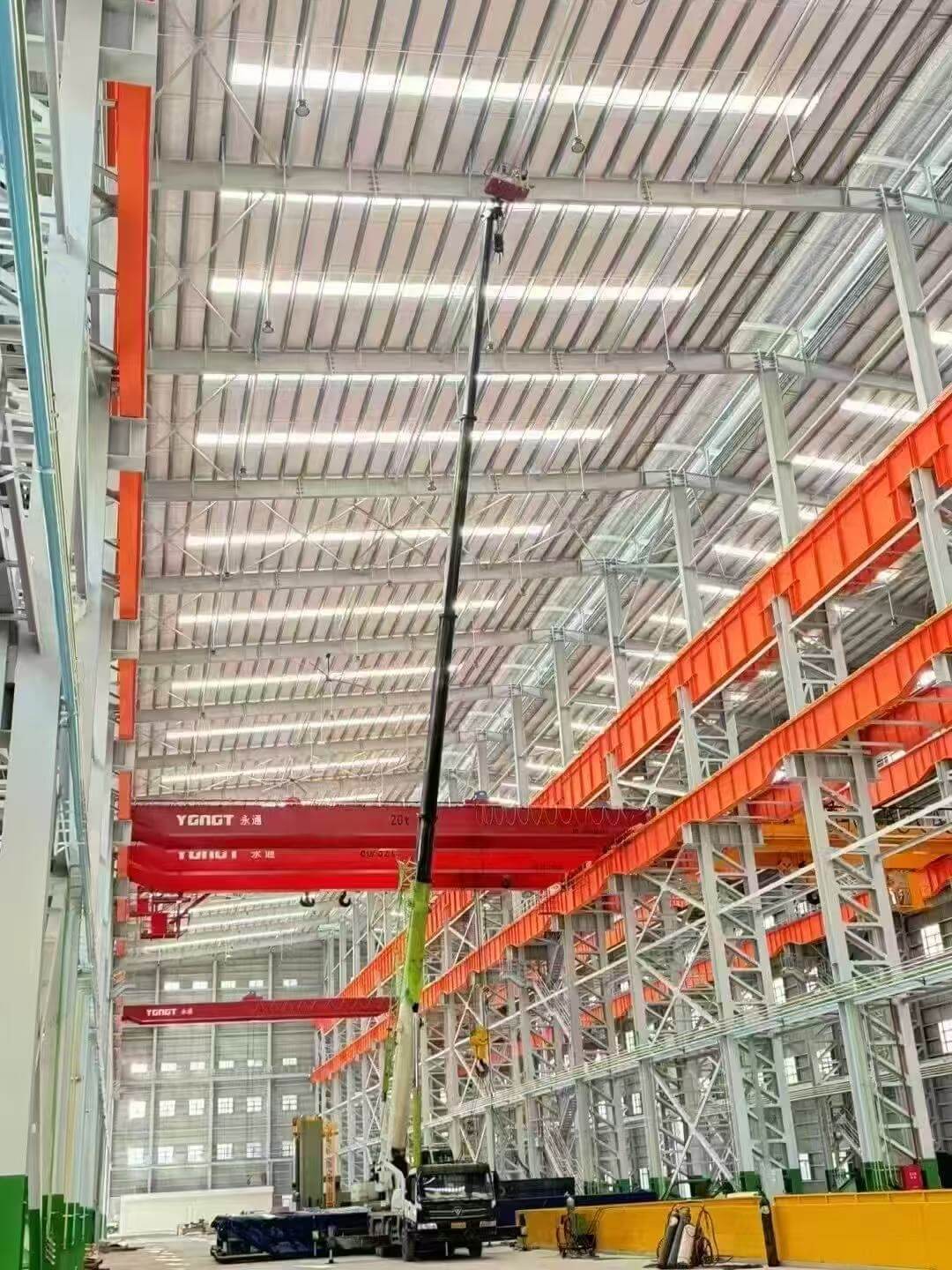
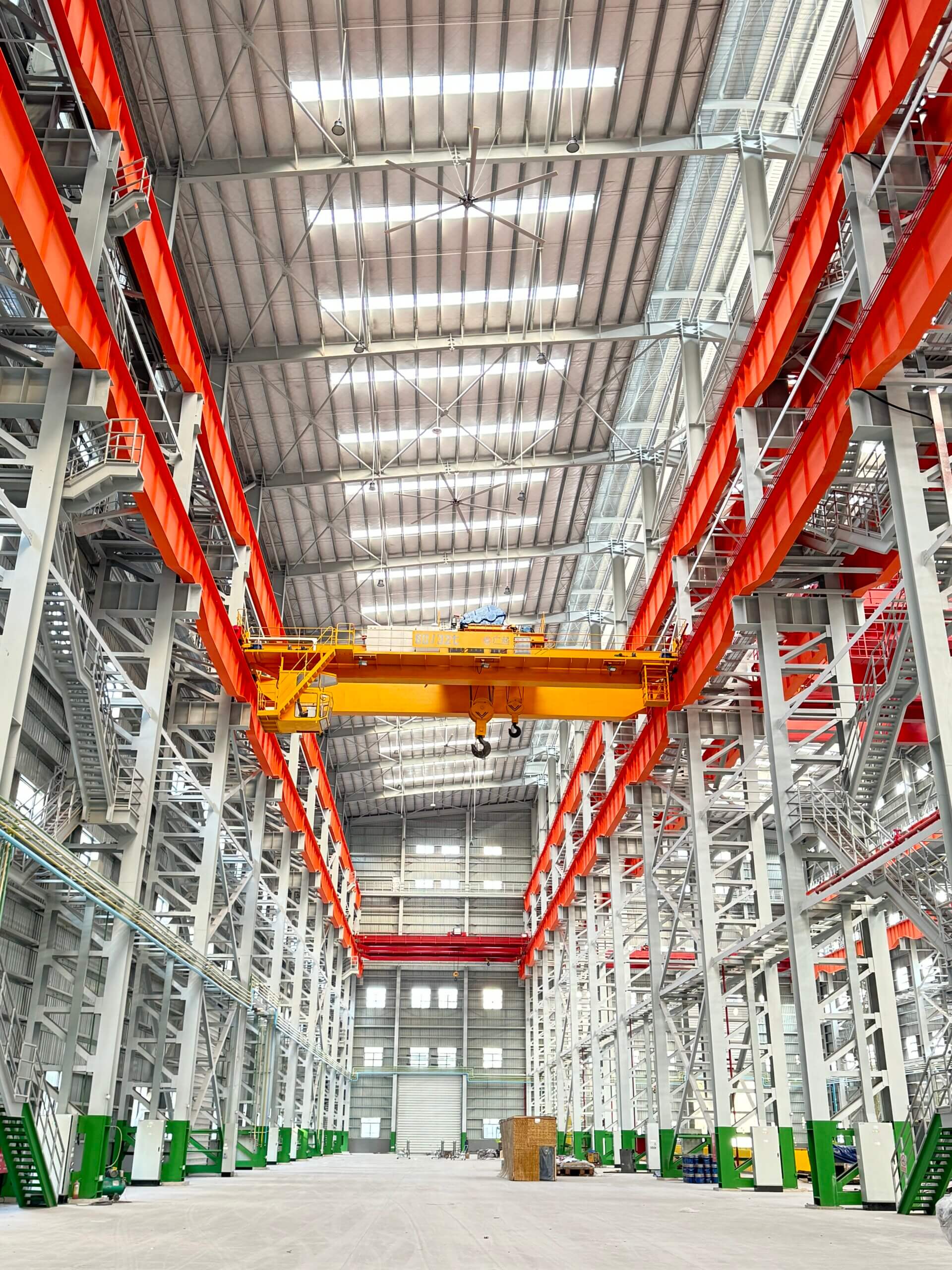
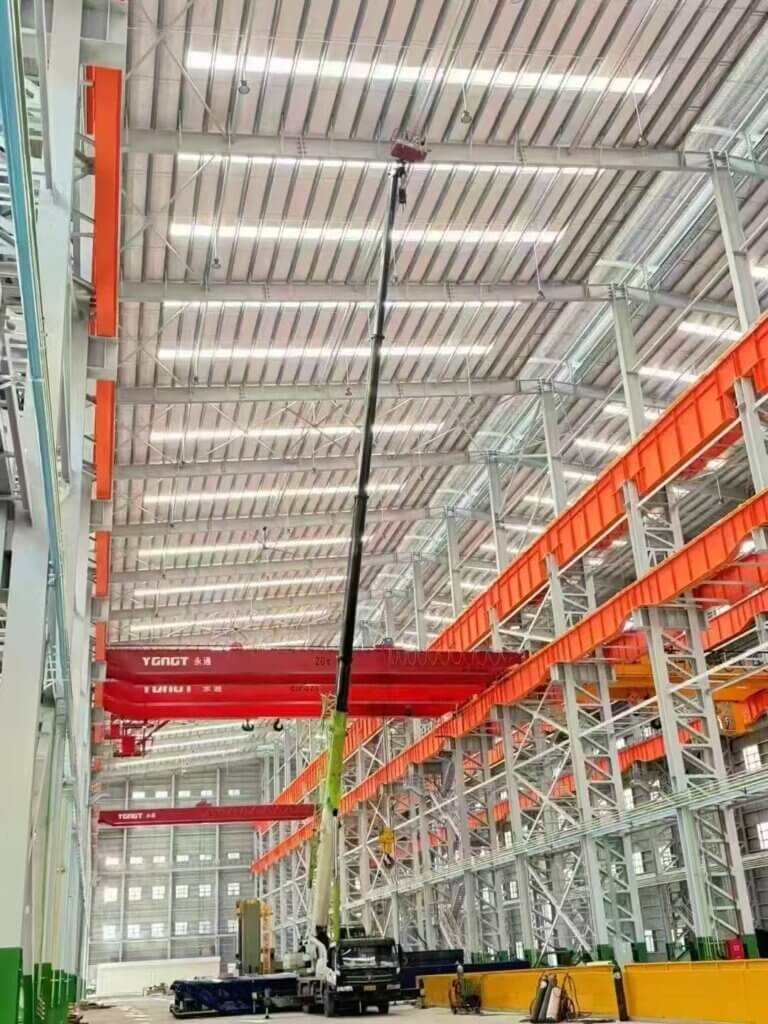
This case study demonstrates how effective airflow was achieved in a 40m-high industrial facility, where most solutions failed under real testing conditions.
The Challenge of Airflow in a 40m-High Industrial Facility
This project came from Guangduan, a manufacturer in the defense industry with extremely strict requirements for quality, safety, and performance.
The facility presented an unusual challenge:
A ceiling height of 40 meters
Large working area
High expectations for reliability
At this height, a critical question emerged:
Can airflow from ceiling-installed fans actually reach the ground?
Even for us, this was an unknown. We had never applied HVLS fans in such an extreme environment before.
On-Site Testing with Multiple Suppliers
Rather than relying on theoretical calculations, the client required real on-site testing.
Multiple suppliers were invited to participate. Each installed their own fan systems under identical conditions.
This created a direct comparison in a real production environment — not a simulation, not a proposal, but actual performance testing inside a 40m-high facility.
Why Most Solutions Failed
During the test, a clear pattern emerged.
Most solutions were unable to deliver meaningful airflow at ground level.
Common issues included:
Airflow dissipating before reaching workers
Limited coverage area
Weak or unnoticeable air movement
In ultra-high spaces, standard assumptions about airflow simply do not hold.
How HVLS Fans Delivered Real Airflow
Under the same conditions, our HVLS fan solution performed differently.
It achieved:
Consistent airflow reaching the ground level
Noticeable air movement felt by workers
Wide and stable coverage across the workspace
This was not based on theory — it was observed and verified on-site.
The result demonstrated that in extreme environments, airflow depends not only on equipment, but on design, placement, and real-world performance.
Key Takeaways for High-Ceiling Factories
This project highlights several important insights:
Airflow challenges increase significantly in spaces above 10–15 meters
Not all solutions perform effectively in ultra-high environments
Real testing is critical for decision-making
Proper airflow design can overcome structural limitations
Most importantly:
The question is not whether airflow solutions exist — but which solution actually works in real conditions.
Conclusion
This case proves that even in a 40m-high industrial facility, effective airflow can be achieved with the right approach.
It also shows the importance of real-world validation when dealing with complex industrial environments.
Call to Action
If you are managing a high-ceiling factory or warehouse and facing airflow challenges, I’d be happy to share practical insights or layout suggestions based on real projects.
— Move-point | HVLS Fan Solutions for Industrial Facilities
High Volume Low Speed (HVLS) fans are a leap forward in commercial ventilation. Unlike traditional fans that spin fast for localized cooling, HVLS fans move air slowly but in large volumes. This design ensures better airflow and even temperatures in big spaces like warehouses.
High-Volume Low-Speed (HVLS) fans are key in commercial ventilation. These fans suit large areas like factories, warehouses, and stores. Unlike high-speed fans, HVLS fans move air slowly but in large volumes. They have big blades and energy-efficient motors, ensuring optimal airflow and low energy use.
HVLS fans save energy by creating a breeze that cools spaces. This allows businesses to set air conditioning higher, saving on costs. Cooler environments also boost employee productivity. Thus, HVLS fans are vital for commercial spaces.
Moreover, HVLS fans improve air quality. They reduce hot spots and humidity. This is crucial for spaces with various products. Consistent air movement also protects machinery and products.
The low cost of running HVLS fans makes them popular. They are cheaper than traditional HVAC systems. This shift towards HVLS technology meets the ventilation needs efficiently.
Advantages of China HVLS Industrial Ceiling Fans
China’s HVLS industrial ceiling fans are perfect for commercial spaces. They are cheaper due to lower production costs in China. This is thanks to affordable labor and efficient supply chains. Businesses can thus save money and invest elsewhere.
These fans are also innovative. Chinese manufacturers lead in technology, offering smart controls and energy-efficient motors. This ensures optimal performance and reduces energy use.
Scalability is another benefit. Chinese manufacturers can meet large orders easily. This ensures uniform ventilation across multiple locations.
In summary, China’s HVLS fans offer a mix of low price, advanced technology, and scalability. This balance helps businesses achieve better airflow and operational efficiency.
Finding Discounts on Commercial HVLS Ceiling Fans
When buying commercial HVLS ceiling fans, exploring discounts is wise. This reduces costs significantly. Here are some strategies.
First, contact manufacturers and distributors directly. This often uncovers exclusive deals not widely advertised. Loyalty programs may also be available, offering discounts to repeat buyers.
Next, check online platforms for industrial equipment. These sites compare suppliers, often highlighting sales and promotions. Regular monitoring can lead to better deals.
Seasonal sales are another opportunity. These often occur during holidays or fiscal year-end. Buying in bulk can also yield discounts, reducing overall costs.
Lastly, consider financing options. Some manufacturers offer payment plans or leasing. This makes it easier to manage costs while enjoying the benefits of HVLS fans.
Case Studies: Success with Big HVLS Fans
Many businesses have successfully adopted big HVLS fans. Here are a few examples.
In a large manufacturing plant, inconsistent cooling was a problem. After installing HVLS fans, air circulation improved. This boosted productivity by 15%.
A distribution center faced similar issues. Before HVLS fans, it struggled with heat and stagnant air. Post-installation, cooling costs dropped by 30%. Employee comfort and retention improved.
In retail, a warehouse store also benefited. HVLS fans improved the shopping experience, increasing foot traffic and sales.
These examples show the versatility and benefits of HVLS fans across different sectors.
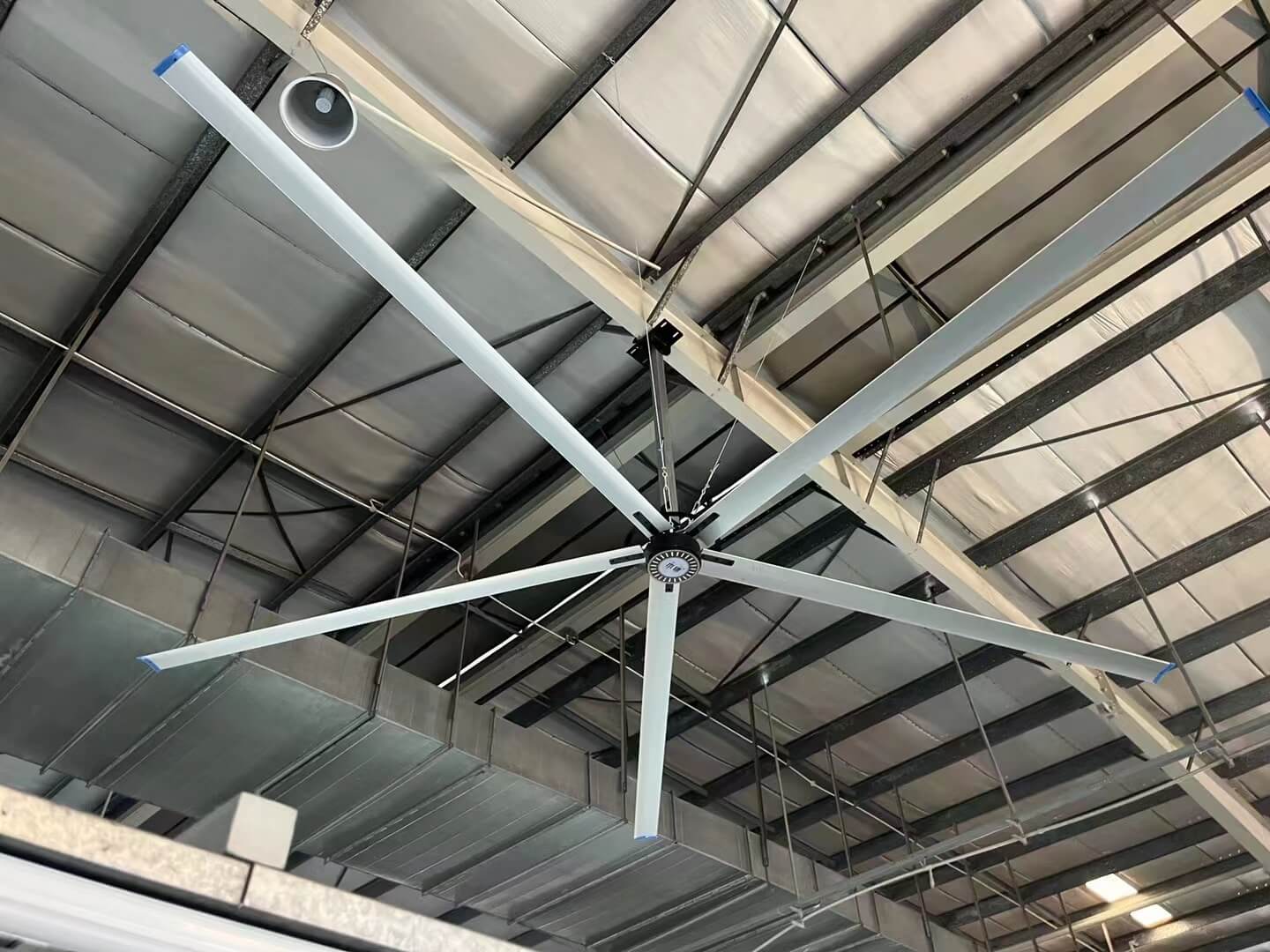
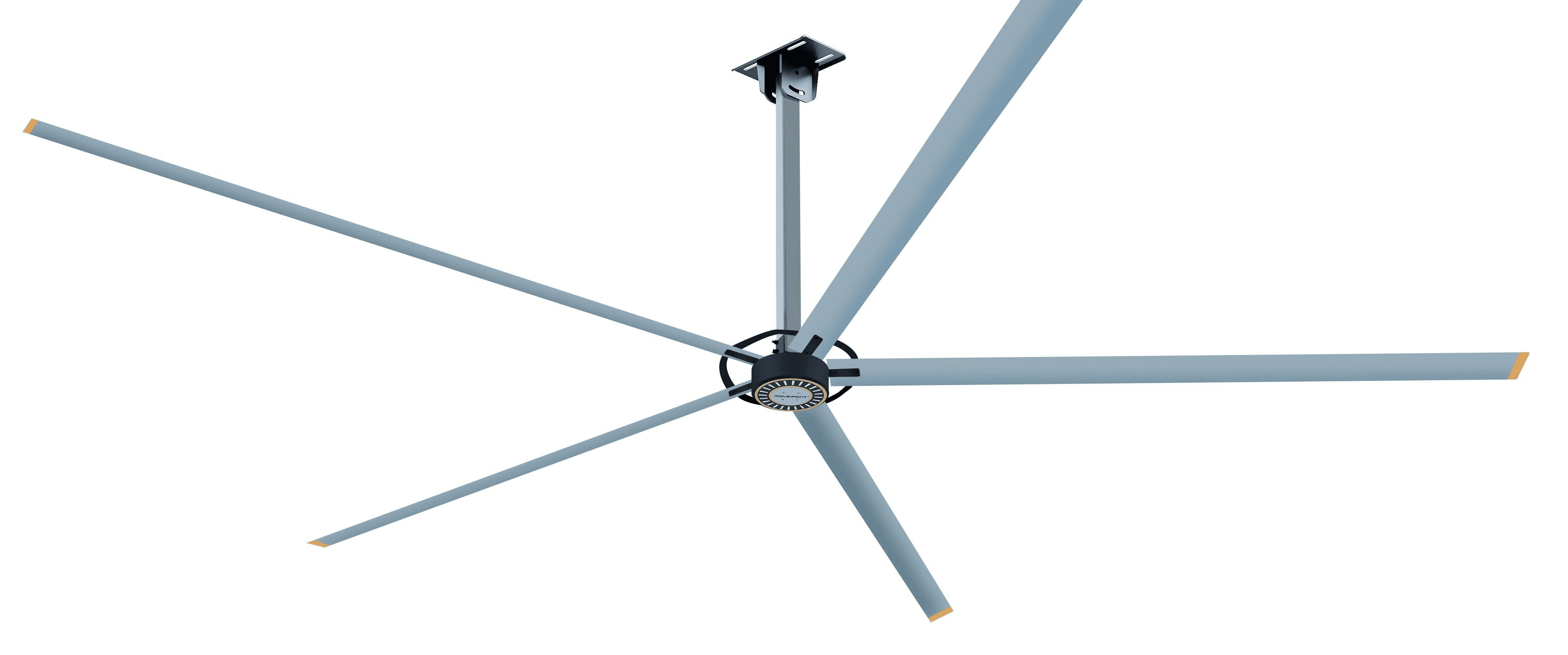
High Volume Low Speed (HVLS) fans are large ceiling fans that move air slowly but effectively. They can be up to 24 feet wide, unlike typical fans that spin faster and cover less area. HVLS fans are perfect for big spaces, such as warehouses and factories, improving air circulation.
These fans use a special blade design to move air gently. By running at lower speeds, they save energy while still providing good airflow. They create a breeze that cools people down, making hot work environments more comfortable. This significantly reduces the need for air conditioning, leading to energy savings.
HVLS fans are built for high ceilings and tough environments. They are easy to maintain. Besides cooling, they also control humidity, balance temperatures, and improve air quality. This makes them a smart choice for businesses aiming to enhance climate control. Overall, they improve air circulation and create a better working environment.
Energy Efficiency and Cost Savings
HVLS fans have become popular in industries for their energy savings and cost benefits. They circulate air slowly yet effectively, using less energy than traditional fans. This makes them ideal for businesses seeking affordable climate control.
These fans can cut energy use by up to 66%. This significantly lowers utility bills and reduces carbon footprints, appealing to eco-conscious companies.
HVLS fans also improve comfort by enhancing air circulation. This reduces the need for air conditioning, leading to further savings. The financial benefits go beyond just energy savings.
Investing in HVLS fans pays off. They last long, are durable, and need little maintenance. As companies focus more on energy efficiency, these fans become key in cutting costs and boosting productivity.
Noise Reduction and Comfort
Industrial environments are often noisy, which can lower productivity. HVLS fans offer a solution. They operate quietly while providing effective airflow, cutting down noise compared to high-speed fans or air conditioning.
The gentle air from HVLS fans creates a calm working environment. They are quieter than high-speed fans, allowing for better focus and efficiency.
These fans are more energy-efficient than air conditioning, especially in large spaces. Their low noise levels enable smooth operations and easy communication among workers. This combination of better air circulation and reduced noise creates a more pleasant work environment.
In summary, HVLS fans improve air circulation, reduce noise, and ensure comfort. This boosts productivity and worker satisfaction. Quieter technology brings long-term benefits for both employees and companies.
Safety and Installation Benefits
HVLS fans offer safety and easy installation in industrial settings. Their large blades move air slowly, reducing injury risks. They are securely mounted, lowering accident chances.
Installing HVLS fans is simple and requires minimal changes. This is crucial for reducing downtime. Fans can be added without major modifications, cutting costs and speeding up setup.
Their easy installation makes HVLS fans suitable for various facilities. This ensures businesses can improve efficiency without high costs or safety issues. In summary, the safety and ease of installation of HVLS fans make them ideal for industrial cooling, enhancing the work environment with minimal disruption.
HVLS stands for High Volume Low Speed. These fans are much larger than typical ceiling fans, ranging from 8 to 24 feet in diameter. They are ideal for spaces like warehouses and gyms. They move air well without strong winds. This helps balance temperatures and cut energy costs.
High-Volume Low-Speed (HVLS) fans are large ceiling fans. They move a lot of air slowly. This feature boosts comfort and efficiency in industrial and commercial spaces. With wide blades and a big diameter, they create gentle airflow over large areas. Moreover, they use less energy than high-speed fans. These fans are ideal for warehouses, factories, and gyms. They need good air circulation and temperature control.
Ceiling fans are vital for comfort and air flow in large spaces. HVLS fans, with their high volume and low speed, are key for warehouses and factories. As a leading HVLS fan manufacturer, we know their best applications.
HVLS fans (full form:High Volume Low Speed) fans, are designed for large spaces. They are larger than typical ceiling fans, measuring 8 to 24 feet across. These fans move air efficiently at low speeds, making them versatile.