
Understanding HVLS Fans and Their Importance
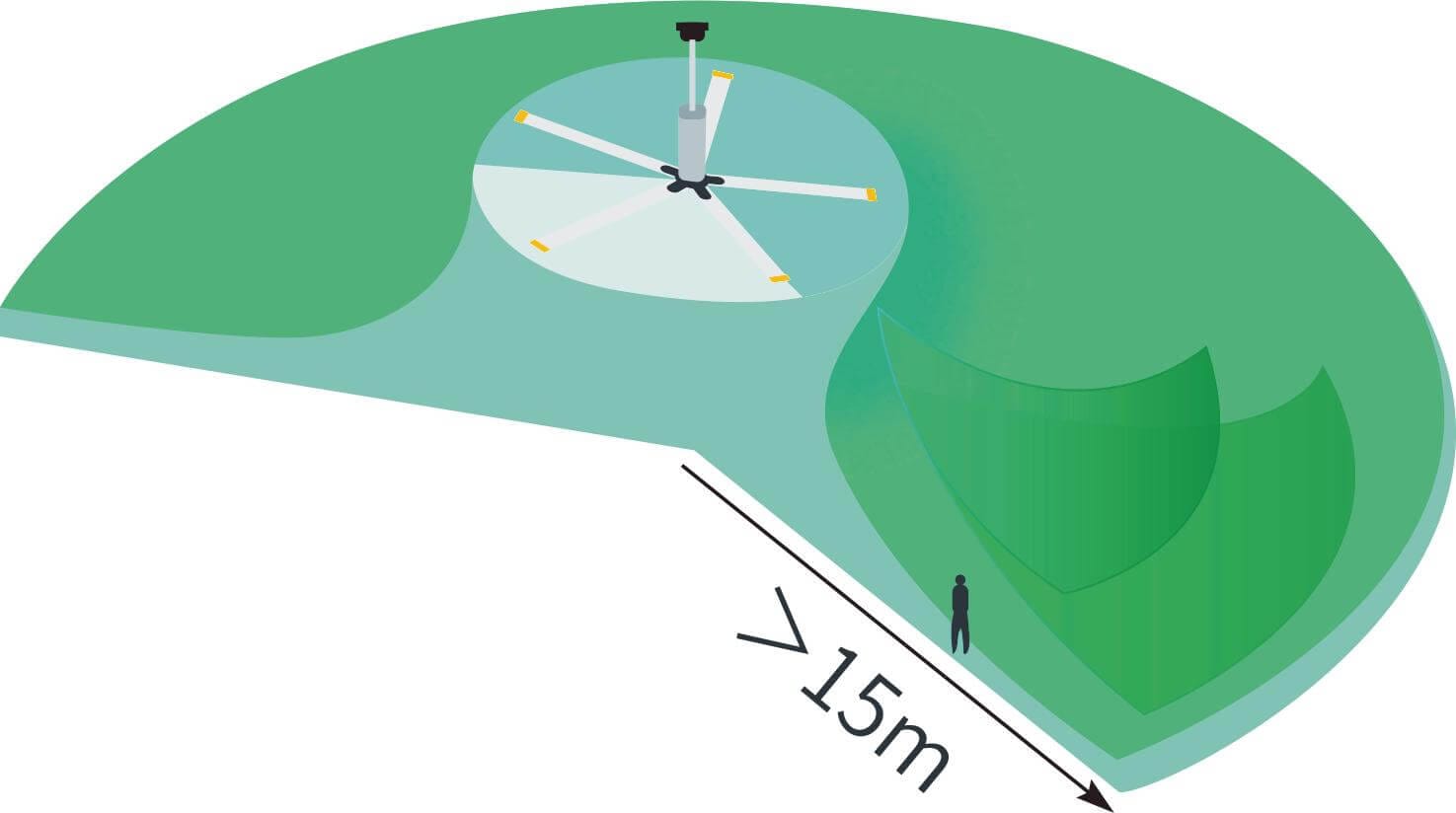
High-volume low-speed (HVLS) fans are engineered to provide effective air circulation in large enclosures such as warehouses and manufacturing facilities. Their design typically features broad blades that rotate slowly, enabling them to move a considerable volume of air with minimal energy expenditure. This functionality not only enhances comfort for workers but also plays a crucial role in maintaining ambient temperature levels across expansive areas.
One of the primary benefits of HVLS fans is their ability to promote even air distribution. Unlike traditional fans, which can create zones of stagnant air, HVLS fans deliver a consistent airflow, facilitating better thermal regulation. As air circulates, it mitigates the buildup of hot or cold spots, leading to improved employee comfort, which is directly linked to heightened productivity levels.
Temperature and airflow regulation are indispensable for promoting operational efficiency within production environments. The implementation of HVLS fans can significantly lower energy costs by reducing the demand for heating and cooling systems. This not only leads to substantial cost savings but also contributes to a more sustainable operational model. When the air is distributed evenly, companies can avoid unnecessary wear and tear on HVAC systems, ensuring their longevity.
Furthermore, maintaining an optimal working environment minimizes the risk of heat stress on employees during warmer months, enhancing safety and morale. As a result, investing in HVLS fans can yield quantifiable improvements in production efficiency, as a comfortable workforce tends to perform better and remain more focused. Consequently, HVLS fans stand out as an essential solution for balancing environmental factors while maximizing output in commercial and industrial sectors.
Assessing Current Production Areas and Airflow Needs
Analyzing production areas is a crucial step in optimizing efficiency. The first step in this analysis involves assessing the existing airflow patterns within the facility. Understanding how air moves throughout the space can reveal significant insights into areas that may suffer from inadequate ventilation. For instance, high ceilings or extensive floor plans can lead to stagnant air pockets, resulting in discomfort and decreased productivity.
Identifying hotspots and cold spots is vital in this evaluation process. Hotspots, where heat accumulates due to machinery or other factors, can create unpleasant working conditions for employees, often leading to lower productivity. Conversely, cold spots may signify underutilized areas where airflow is obstructed or insufficient. Recognizing these temperature inconsistencies is essential for ensuring a comfortable working environment and maximizing operational efficiency.
To effectively address varying airflow needs in different sections of the production facility, it is important to engage with the specific requirements of each zone. Areas with heavy machinery might require more significant air movement to dissipate heat, while storage areas may need less airflow to maintain product integrity. Understanding these unique needs enables tailored solutions, ensuring that air circulation meets the demands of each section efficiently.
Data collection plays a key role in monitoring airflow patterns. Employing tools such as anemometers to measure air velocity and temperature sensors can provide accurate insights into ventilation effectiveness. Additionally, consistent monitoring helps in identifying trends and patterns over time, allowing for continuous improvements to the environment. Conducting thorough assessments will ensure that any intervention, such as the installation of Large Volume Low Speed (HVLS) fans, is informed and targeted.
Implementing HVLS Fans for Optimal Performance
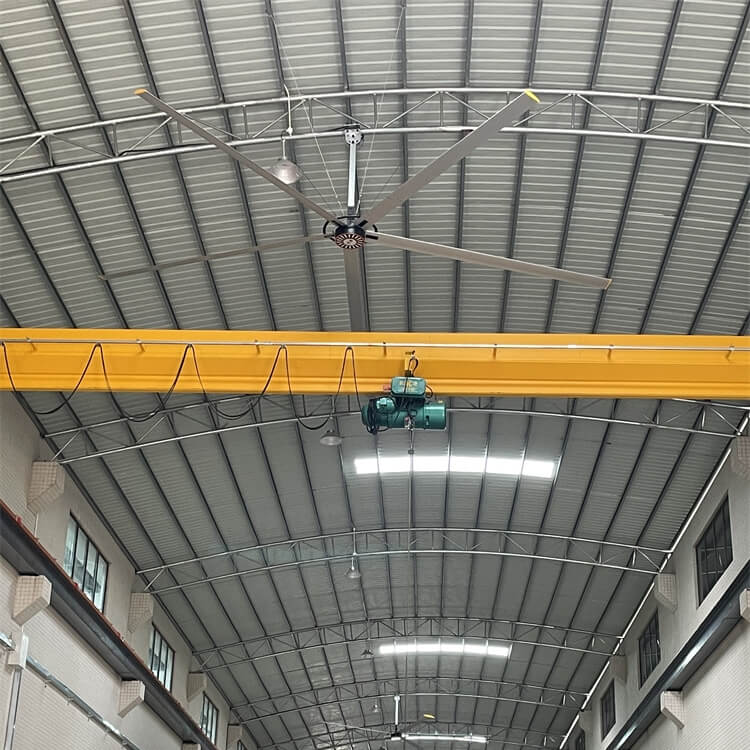
To achieve maximum airflow and energy efficiency with High-Volume, Low-Speed (HVLS) fans, careful consideration must be given to their installation and positioning. The strategic placement of HVLS fans is crucial, as their effectiveness can be significantly influenced by the environment in which they are installed. Typically, these fans should be positioned centrally in large spaces to promote effective air circulation. For instance, in warehouses, placing fans along the central axis allows for the redistribution of air throughout the entire area, creating a steady downdraft that enhances thermal comfort.
Coordination with existing HVAC systems is another essential aspect of effective HVLS fan usage. When these fans operate in conjunction with heating, ventilation, and air conditioning (HVAC) systems, they can contribute to a more uniform temperature across the space. This coordination not only improves comfort levels but also can lead to reduced energy costs. By running HVLS fans in the warmer months, facilities can create a cooling breeze while potentially allowing the thermostat to be set a few degrees higher without sacrificing comfort.
Height and orientation are also critical factors in optimizing the performance of HVLS fans. Fans should typically be installed at a height of at least 10 to 12 feet above the ground to maximize air movement and minimize potential obstructions. Additionally, the orientation of the blades should be set to ensure that air is directed downward efficiently. Some case studies have demonstrated that positioning the fans to operate in reverse during the colder months can help circulate warm air, thus reducing heating costs. In reviewing these case studies, many facilities have noted significant improvements in energy savings and employee comfort when HVLS fans were installed and positioned correctly.
Monitoring and Maintaining HVLS Fans for Longevity
High-Volume Low-Speed (HVLS) fans are integral to enhancing air circulation and improving comfort in large spaces, thereby optimizing production efficiency. However, the longevity and performance of these fans rely heavily on proper maintenance and monitoring. Regular maintenance practices not only extend the lifespan of HVLS fans but also ensure that they remain efficiently operational.
Routine checks should be scheduled to inspect the essential components of HVLS fans. This includes checking for loose screws, worn belts, and any signs of wear or damage. Additionally, it is advisable to clean the fan blades regularly to prevent dust accumulation, as dirt can significantly affect the fan’s aerodynamic efficiency. A clean fan is more likely to operate quietly and effectively, contributing to better air movement and energy savings.
Troubleshooting common issues can prevent more significant problems from arising. For instance, if a fan produces unusual noises or fails to start, these symptoms may indicate mechanical issues that need immediate attention. Identifying such problems early can help in avoiding costly repairs and downtime in production. Training staff on how to recognize these warning signs and perform basic troubleshooting can be beneficial for ongoing operations.
Establishing a recommended maintenance schedule is crucial. Depending on the environment and usage frequency, this schedule may vary. However, a bi-annual checkup is a common practice for many facilities. During these checkups, comprehensive inspections can be conducted to ensure that the fans are fulfilling their operational requirements efficiently. It is also advantageous to keep a log of maintenance activities, which can help in analyzing the performance trends over time.
Finally, ongoing performance monitoring is vital to sustain improvements in production efficiency. Utilizing modern monitoring tools can help in tracking the operational metrics of HVLS fans, thus identifying any drops in performance early. Ensuring that HVLS fans are continually operating at peak efficiency not only helps in reducing costs but also supports a healthier work environment.